About
Heilongjiang Lighthouse International Logistics Co., Ltd. is an experienced and reliable forwarder offering a full range of high quality capable logistics services. In order to develop new and tailored solutions, we collaborate closely with industries and companies and use the latest technology. This closeness to our customers allows us to develop flexible solutions, offering peace of mind to all parties involved.
We have created a network of Asian and European partners with the necessary transport and logistics infrastructure to service the export-import flows of our customers.
Services

Road Logistics
Transportation by road transport is an independent method of delivery, as well as part of international multimodal transport. Geography of international road transport: shipments from Southeast Asia, Europe.
Sea Logistics
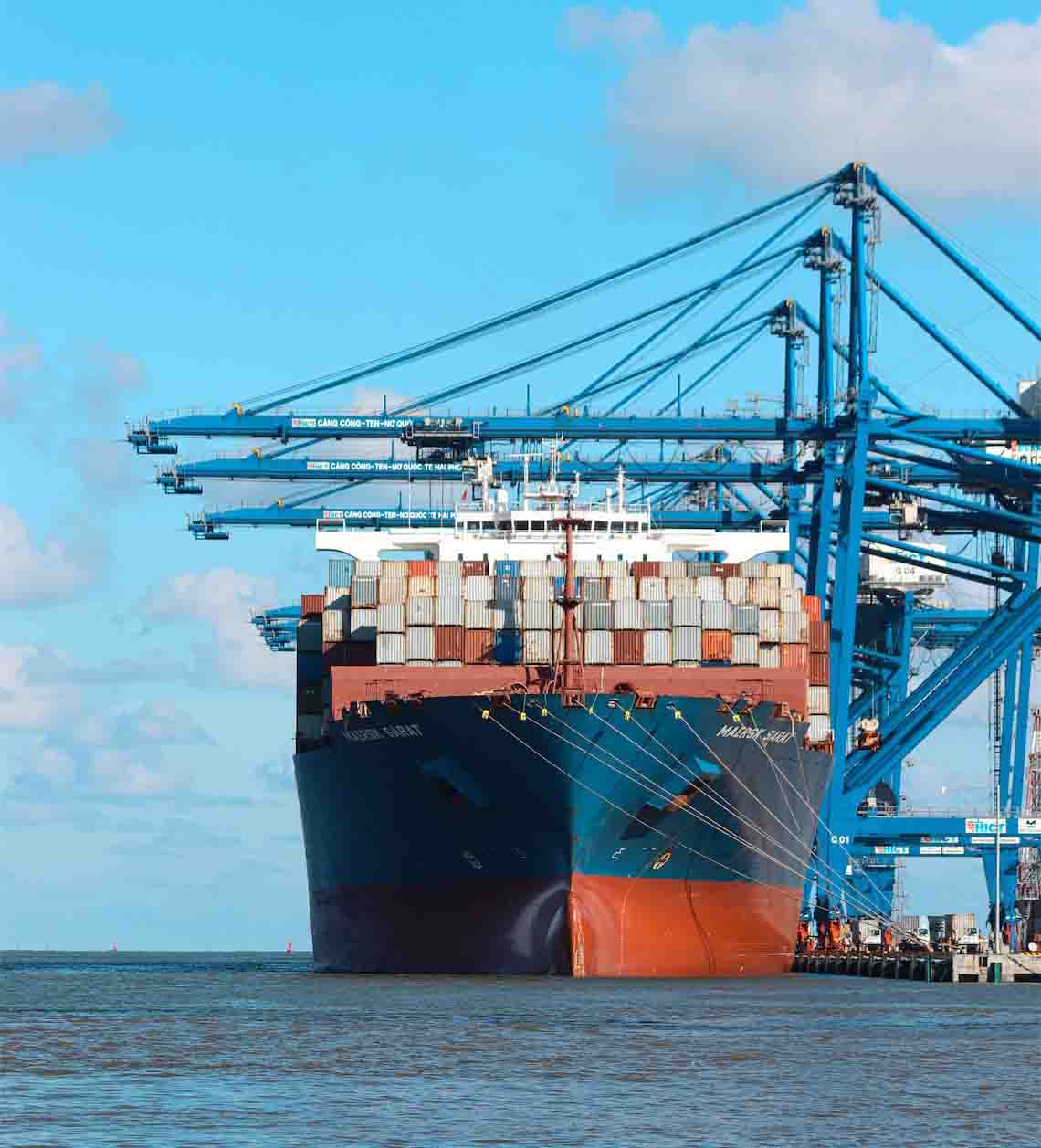
We have the right container shipping solution and expertise for you to get your products in the right place and on time.
FCL Container Shipping
Extensive freight opportunities, muse of the potential of international seaports and terminals; transportation of almost any cargo by different types of containers, cargo consolidation in port cities; possibility of combining all modes of transport.
Less than container load (LCL)
We offer combined cargo services from China, Korea and other countries of Asia-Pacific region; consolidated shipments from Europe.
Reefer Logistics
A container solution for perishables and temperature-sensitive products.
Project Logistics
The world of project logistics is full of challenges, from heavy and oversized loads to impossible routes, complexity and risk. We understand these challenges and can support you in achieving your goals with safety, health and environmental considerations in mind. Our chartering expertise, risk assessment and logistics project management experience will make your operations safe and seamless.
Railway Logistics
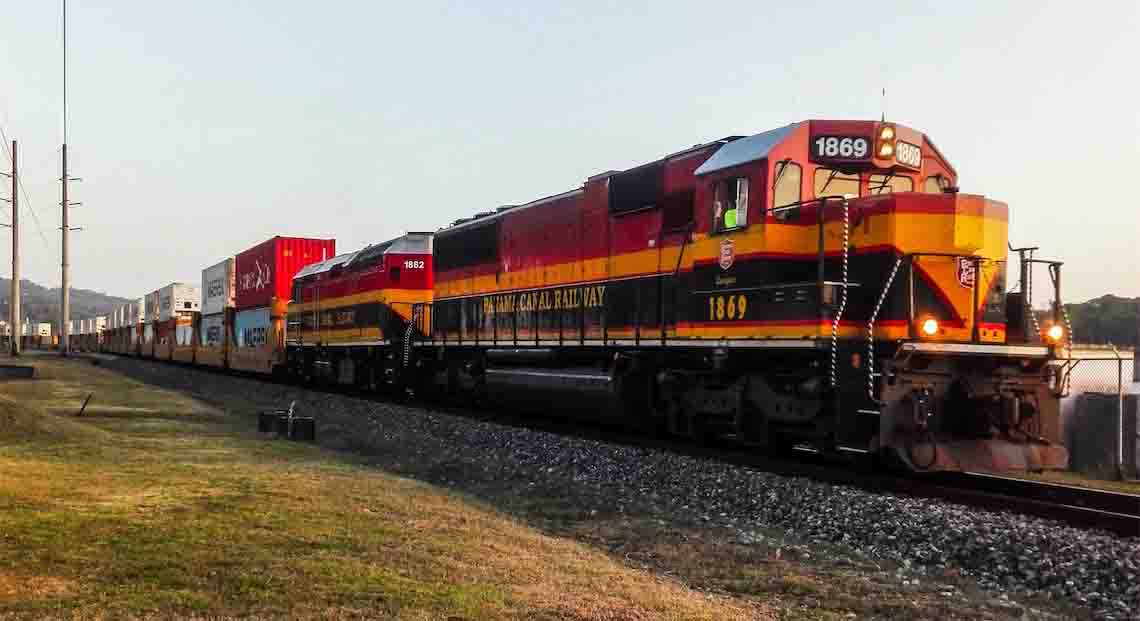
Organization of railway transportation of finished products in international and transit traffic. Sending of cargoes in mixed and direct communication, delivery of cargoes by motor transport to the railway station from the customer's door and loading into the railway rolling stock.
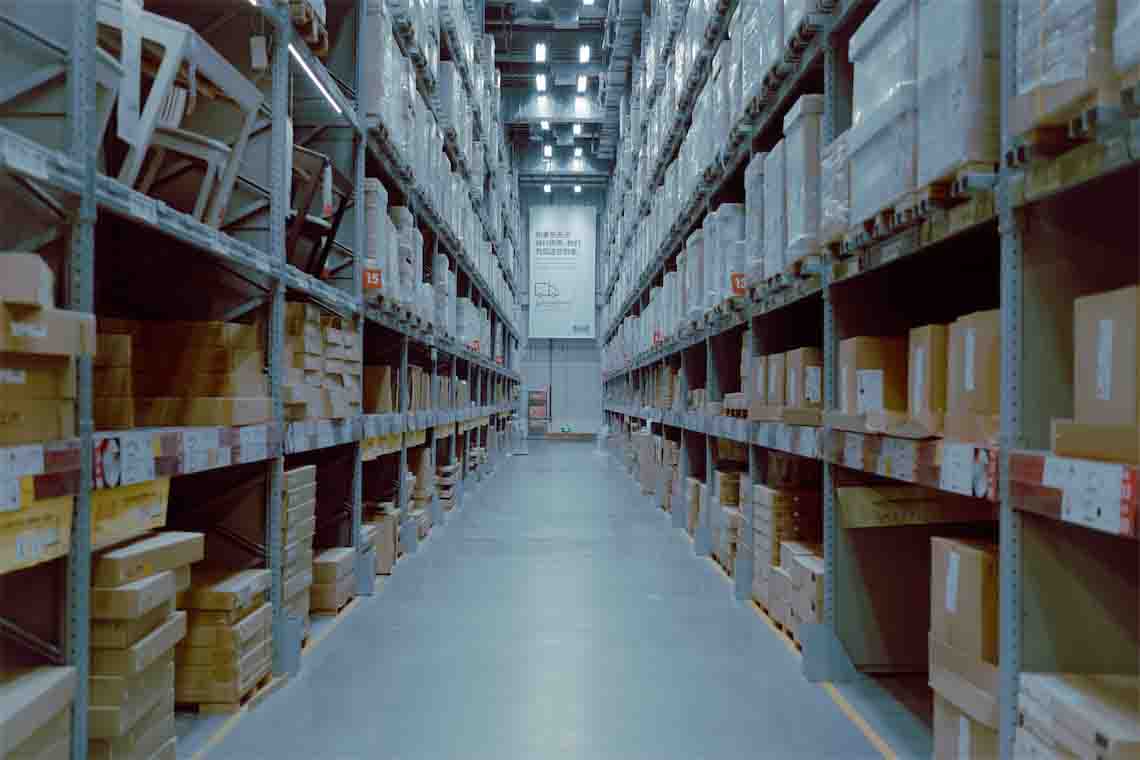
Warehousing
We provide international warehousing logistics services. To service the export-import flow of our customers we have created a network of Asian and European partners with the necessary transport and logistics infrastructure.
- packaging and repackaging of goods;
- marking of goods;
- sorting and palletizing the cargo;
- measuring and photographing of packages;
- record-keeping of warehouse movement of goods;
- storage of goods in the warehouse of the highest category.
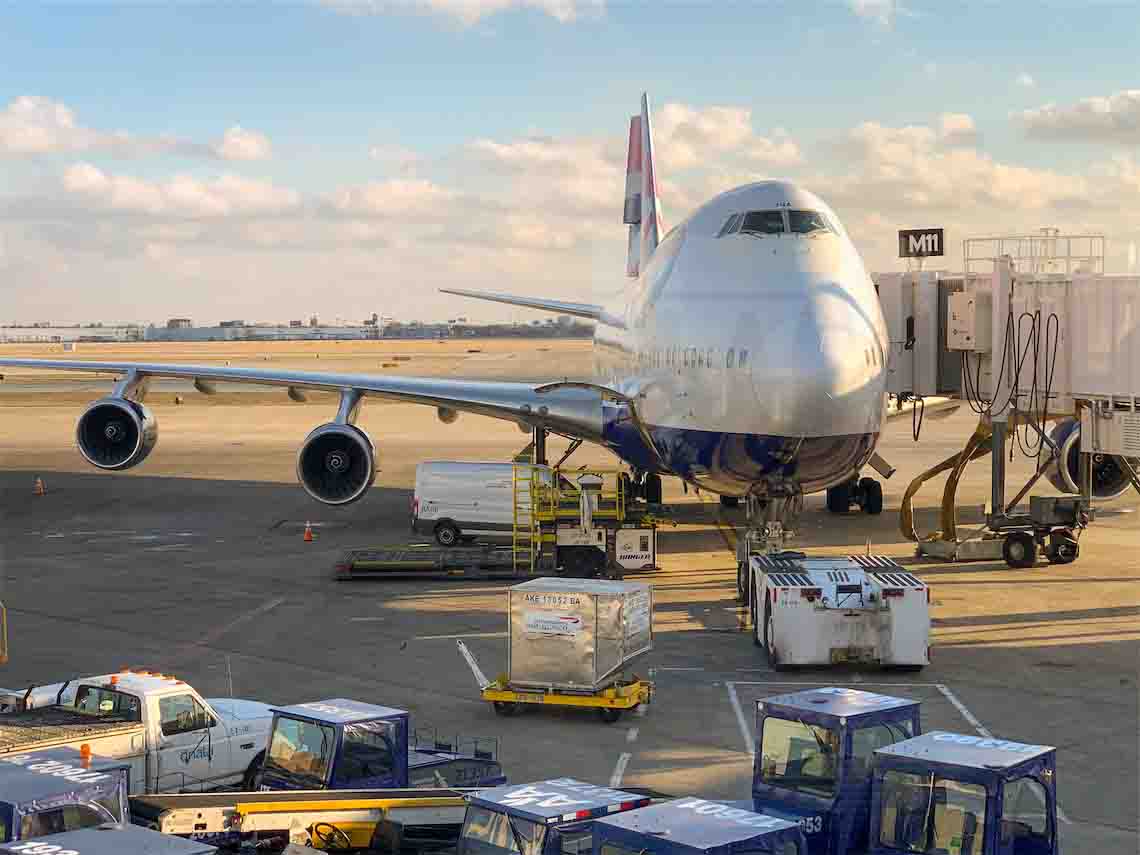
Air Logistics
When you need reliable air freight to achieve your business goals, we can support you with our wide range of services.
Our service portfolio includes:
- charter services;
- time-critical solutions;
- cargo insurance.
Features
Financial stability
The company's resources allow it to operate without risk for clients and partners.
Developed and wide client-sky base
Each client for us - VIP-Clients! Each Client is important to us and respected by us. We attach special value to relations with those Clients who see us as their strategic business partners.
Our reputation
It is important for us to justify the trust of our customers. In the first place is our business and human responsibility, the fulfillment of all agreements and promises.
Extensive partner network worldwide
Flexible transport options resulting from close partnerships with leading carriers.
Transparent price
Open method of pricing. You always know what you pay for and how much.
Best rates from co-executor
Large volumes of transportation give the opportunity to get the best rates in the market.
News
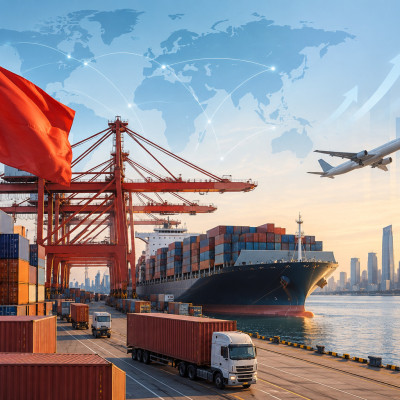
China's Exports Surge 36.3% in September, Setting a New Trade Surplus Record
China's foreign trade continues to show strong momentum. According to the latest customs data released on October 14, the country's exports jumped 36.3% year-on-year in September 2026, while imports increased by 31%.
As a result, China's monthly trade surplus reached a record $133.5 billion.
The growth was largely driven by strong international demand for electronics, semiconductors, automobiles and AI-related equipment, highlighting China's continued role as a major global manufacturing and export hub.
For the logistics industry, this is an important signal. Strong export activity could support demand for ocean freight, air cargo and international supply chain services, particularly on routes connecting China with major global markets.
However, higher trade volumes may also create additional pressure on shipping capacity, port operations and delivery schedules.
For shippers and logistics providers, the key takeaway is clear: China's export sector remains highly active, making flexible logistics planning and reliable transport solutions more important than ever.
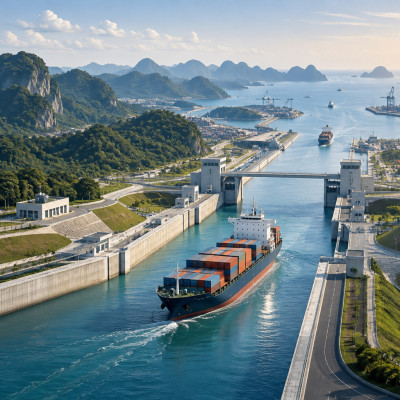
China Opens Pinglu Canal — a New Gateway to the Sea
China has opened the 134-km Pinglu Canal in Guangxi, creating a new direct waterway between inland areas of southwestern China and the Beibu Gulf.
- What changes for logistics?
The new canal significantly shortens the route from inland China to the sea. On some routes, vessels will be able to travel more than 560 km less than before.
The canal is designed to accommodate vessels of up to 5,000 tonnes, opening new opportunities for moving larger volumes of cargo by inland waterways.
- A stronger connection with ASEAN
The Pinglu Canal gives southwestern China a faster route to the ports of the Beibu Gulf and further to Southeast Asian markets.
For logistics, this means shorter routes, lower transportation costs and better connectivity between China’s inland regions and ASEAN countries.
The project is another major step in China’s development of alternative logistics corridors and its growing trade links with Southeast Asia.

Typhoon Dolphin disrupts Chinese ports: around 2.4 million TEU caught in delays
Typhoon Dolphin has caused major disruptions at some of China’s largest ports. Operations in Shanghai and Ningbo were temporarily suspended, creating a significant backlog of vessels waiting to enter and leave the ports.
According to The Loadstar, around 2.4 million TEU of container capacity has been affected by congestion and delays across Asian ports.
Even as port operations return to normal, the impact will not disappear overnight. Shipping schedules may take several weeks to recover, with delays likely to spread further along global supply chains.
The shortage of available vessel capacity in Asia is already forcing some carriers to reconsider routing and fleet deployment.
For shippers, the message is simple: even after the storm passes, its impact on schedules, transit times and container availability may continue for weeks.
Contacts
Location:
604 Halo Plaza Phase 2, Sungang street, Communitu, Luohu District, Shenzhen, China